MN Office of Animal Protection - MN OAP Bill
  • Home
  • ISSUE
  • BILL
  • FAQS
  • TAKE ACTION
  • Contact
  • DONATE

WHY THE MINNESOTA
OFFICE OF ANIMAL PROTECTION
IS NEEDED

Protecting animals and humans from animal cruelty and violence requires systemic change. The need is clear.
Support the Office of Animal Protection: S.F. 1163 (Sen. Marty) / H.F. 1816 (Rep. Norris)

PROTECTING ANIMALS

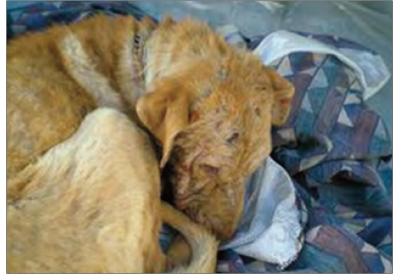
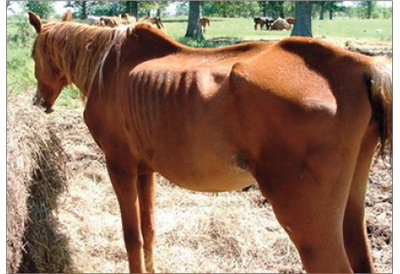
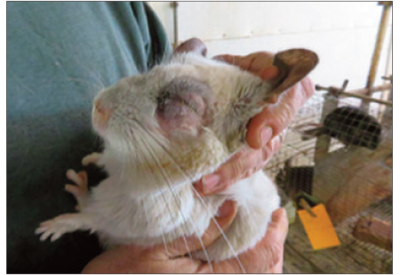
A family's dog shot and killed by their neighbor. Horses neglected to the point of starvation. Dozens of cats suffering in horrific hoarding conditions. Birds used and abused in cock-fighting. Pets abandoned in an apartment. Farmed animals kept outside in freezing temperatures with no shelter. Breeding dogs confined in cages for years with no exercise. A bear kept in a trap for days trying to eat her paw off to escape. Hundreds of chinchillas denied medical care. A goat sodomized. Three deer hit by a car intentionally just for fun. A family pet beaten violently and repeatedly. 
The above are just a few examples of animal cruelty. The types of crimes committed are too long to list each one.

The point is this: Animal cruelty is a serious crime and occurs throughout Minnesota. These cases are similar to other crimes in that the abuser not only threatens the animal but the community as a whole. The pain to the animal and to people who care for these animals is profound. This is a public safety issue.
Picture
Picture
Picture

STATEMENT OF NEED: OFFICE OF ANIMAL PROTECTION

Animal cruelty requires the same high level of investigation and prosecution as any other crime.

Currently, there is no state agency to assist local law enforcement, city or county prosecutors, veterinarians, animal care facilities, or others tasked with the job of enforcing animal law and protecting animals. 

State assistance is needed and defined below.
Picture
Focused leadership. Animal cruelty is complex and requires a multi-disciplinary approach with specialized expertise and skills. These different disciplines — from law enforcement to prosecutors to veterinarians and others — must collaborate with each other to move a case ahead successfully. This requires focused leadership and oversight, which the MN OAP will provide through a unified command structure. 
Picture
Accountability. In the current "enforcement" model, various entities in Minnesota are granted authority to investigate cruelty against animals or assist in the investigation of these crimes. This includes licensed peace officers and non-licensed personnel. Often authorities may be left without access to experts to assist them in their duties. The MN OAP will provide statewide consistency by building uniform processes and accountability.
Picture
Training. Inconsistency in the investigation and prosecution of animal cruelty is also due to lack of training. Many colleges and universities do not provide education specific to animal cruelty investigations, prosecution, and veterinary forensics. Authorities must find acceptable training on their own; and much of this training is not specific to Minnesota law. The MN OAP will provide training in animal cruelty and law across multiple disciplines.
Picture
Resources. Animal cruelty cases can be costly due to transport, care, and housing of animals once seized or surrendered. Cases may not be pursued or animals not seized due to a lack of qualified services or a high cost of care. Animal shelters are often asked to absorb or discount expenses for animal care and keeping. By creating a state office to address this issue, the MN OAP can seek grants to help communities with the cost of care for animals.
Picture
Identifying needs. Authorities lack necessary crime data. The public is often unsure where to report suspected animal cruelty. A victim of cruelty may not know what services are available. There are numerous issues left unanswered within the crime of animal cruelty. The MN OAP will provide a state agency that will identify needs and challenges in the current system, discuss these issues, and work to provide solutions for the enhanced enforcement of law and protection of animals and people.  
Picture

PROTECTING HUMANS

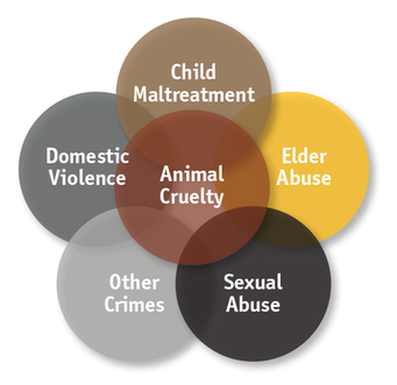
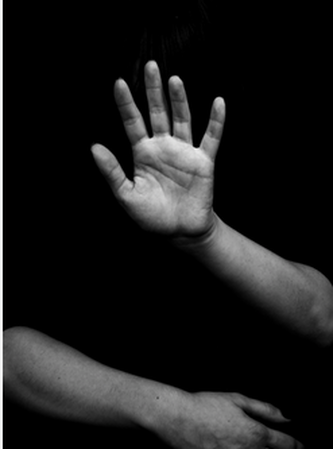
Animal cruelty is also linked to human violence, including domestic violence, child abuse, sexual abuse, and elder abuse as well as crimes involving illegal drugs, guns, and gambling, arson, terroristic threats, and other acts.

From a spouse who harms or kills an animal and warns "Next time it will be you" to a family member who does not allow their parent or grandparent to bring their pet to the veterinarian to a juvenile who beats animals mimicking the violence they see in the home, animal cruelty can be devastating for the animal and the person.
The crime of animal cruelty can often be the first "foot in the door" for law enforcement or social workers, providing evidence or probable cause for violation of law that can then be used to combat human violence.
Facts: The link to human violence
The Minnesota Office of Animal Protection will also address how crimes against animals impact adults, juveniles, and children who witness or are victims of these crimes.

The link between animal and human violence is well-documented: 
  • 89% of women who had companion animals during an abusive relationship reported their animals were threatened, harmed, or killed by their abuser (Betty Jo Barrett, et all., Interpersonal Violence 2020)
  • Approximately one-third of battered women have delayed their escape out of fear for their animal. (Betty Jo Barrett, BJ, et al, Interpersonal Violence, Dec 2020; Favor & Strand, Interpersonal Violence 2003)
  • 83% of homes where children were being abused, animals were also being abused or neglected (DeViney, Dickey & Lockwood, 1983)
  • 70% of animal abusers had also committed crimes related to violence, drugs, property damage, and disorderly conduct (Arluke & Luke, 1997)
  • Children who abuse animals are 2-3 times more likely to have been abused themselves (Lee Kelland & FInland, 2018)
Picture

Story: Why the Office of Animal Protection is needed

Picture
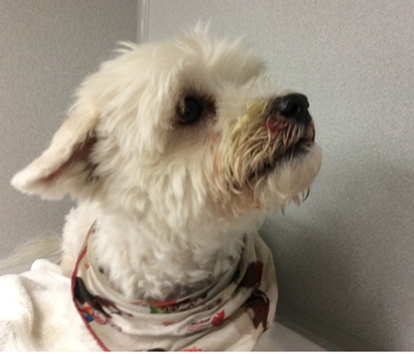
The photo at left is a dog named Frodo. He was a dear companion to a 73-year-old woman who, upon returning home after an errand, found Frodo shaking, scared, and bruised under her kitchen table. She immediately brought him to her veterinarian.

The vet clinic examined Frodo and found blunt force trauma. The beatings were so severe that Frodo had to be euthanized.

The veterinarians suspected animal cruelty and reported it to the local sheriff. They also sent Frodo's body to the University of Minnesota for a forensic necropsy. The necropsy was conducted and the University too found blunt force trauma, suggesting suspected abuse.
The woman had two tenants living in her home. The sheriff deputy conducted interviews with the dog's owner, as well as her tenants and the veterinarians. One of the tenants admitted to beating Frodo multiple times when the woman was not in the house. The sheriff's office submitted their incident report with evidence to the county attorney's office who charged the abuser with felony animal cruelty. He was convicted of this penalty and sentenced.

All authorities took this crime seriously — not only because of the harm and death of Frodo but also because of the perceived risk to the elderly woman who could have faced harm herself.

The above is one story that shows what can go right if authorities work together to solve a crime. Unfortunately, too often this is not the case. There are also stories illustrating a lack of training, resources, funding, or willingness to take action to address crimes of cruelty. This lack of knowledge or reluctance to act show a broken system.

The Minnesota Office of Animal Protection will establish a statewide criminal system to support all communities and authorities in Minnesota to ensure that laws are properly enforced for the protection of animals and people.

Proudly powered by Weebly
  • Home
  • ISSUE
  • BILL
  • FAQS
  • TAKE ACTION
  • Contact
  • DONATE